
Medical Device Interconnect Design: Key Engineering Considerations for Reliable Performance
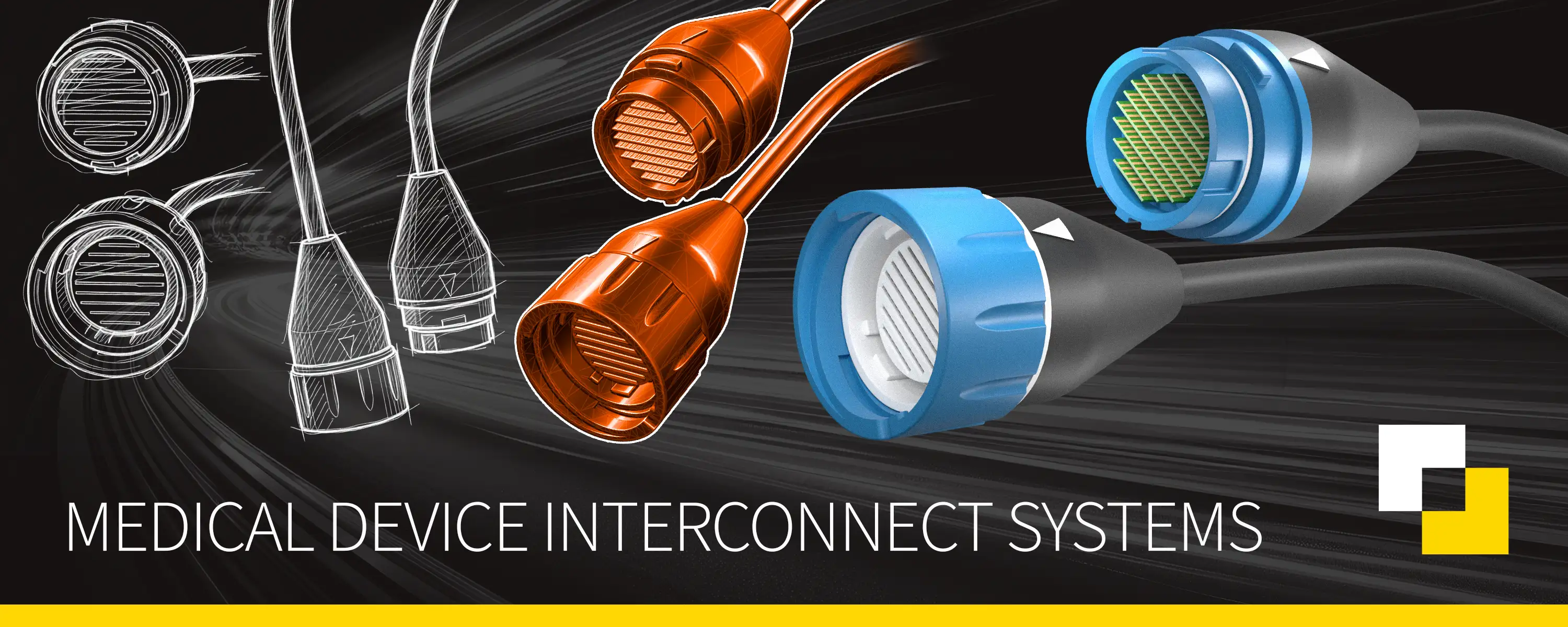
Modern medical devices continue to grow more advanced, compact, and connected. From surgical robotics and implantable technologies to diagnostic equipment and patient monitoring systems, today’s healthcare innovations rely on highly engineered interconnect systems to function safely and reliably.
Medical device interconnect systems support critical functions such as signal transmission, power delivery, device communication, and component integration. Even minor performance failures can compromise device functionality, delay treatment, or impact patient safety.
As devices become more complex, manufacturers must design interconnect systems that not only perform reliably but also transition efficiently from prototype development into scalable medical device production.
Paragon Medical partners with OEMs to engineer, validate, and manufacture high-performance medical device interconnect solutions that support product reliability, regulatory compliance, and commercialization success.
What Are Medical Device Interconnect Systems?
Medical device interconnect systems include the cables, connectors, electromechanical assemblies, and integrated components that allow medical devices to communicate, transfer power, and operate effectively.
These systems play a critical role across many healthcare applications, including:
- Surgical robotics
- Drug delivery devices
- Diagnostic equipment
- Implantable devices
- Neuromodulation systems
- Patient monitoring technologies
- Minimally invasive surgical devices
Reliable interconnect systems require precision engineering, tight tolerances, and advanced manufacturing expertise. Healthcare environments demand durability, flexibility, sterilization resistance, and long-term performance under demanding conditions.
Because these systems directly impact clinical outcomes and patient safety, OEMs must prioritize reliability from the earliest design stages.
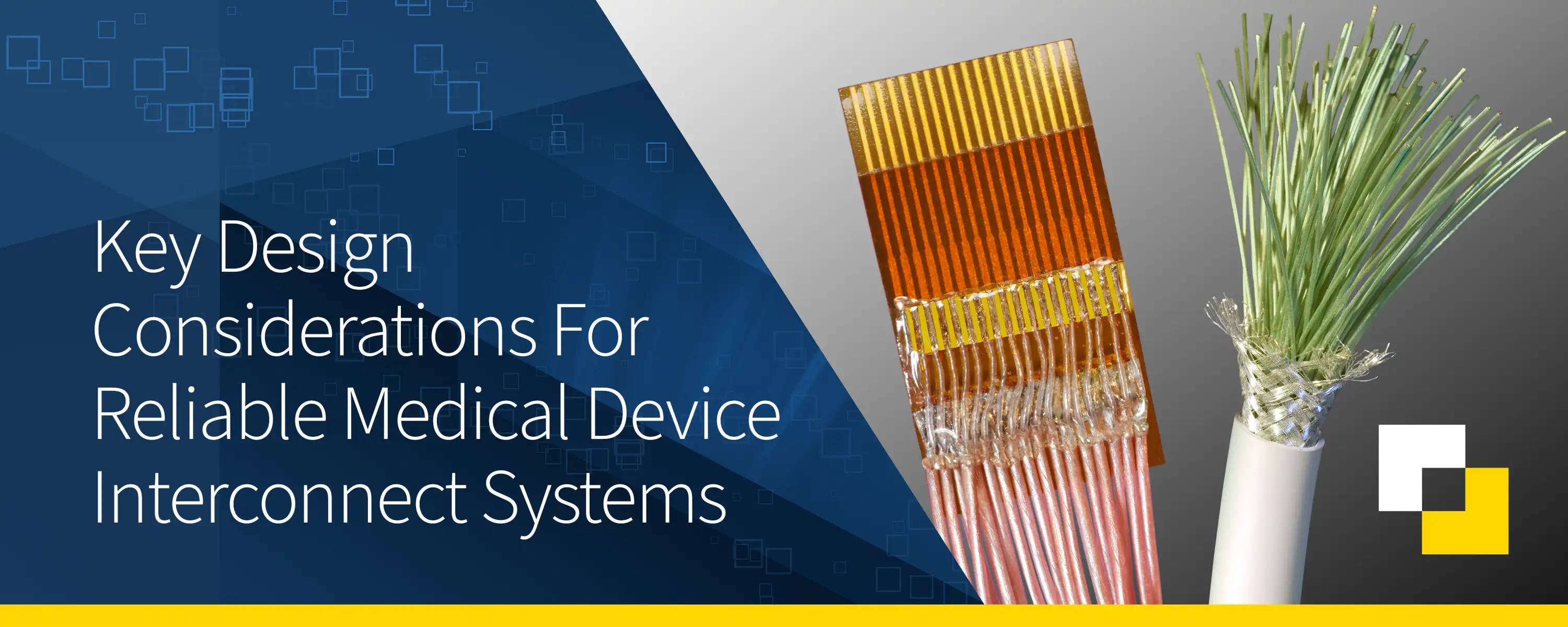
Prioritize Design For Manufacturability (DFM)
Design for manufacturability medical devices strategies help engineering teams simplify production without sacrificing performance.
By reducing unnecessary complexity early in development, OEMs can:
- Improve scalability
- Reduce production variability
- Lower manufacturing costs
Accelerate commercialization timelines
Early collaboration between engineering and manufacturing teams allows organizations to identify production challenges before they become costly delays.
Material Selection Directly Impacts Performance
Material selection plays a major role in the long-term reliability of medical device cable assemblies and connectors.
Medical-grade materials must support:
- Biocompatibility requirements
- Sterilization compatibility
- Chemical resistance
- Long-term flexibility and durability
- Signal integrity and electrical performance
Paragon Medical offers advanced Liquid Silicone Rubber (LSR) molding and silicone transfer molding capabilities that improve both device performance and patient safety.
LSR molding provides excellent flexibility, biocompatibility, and environmental resistance, making it ideal for many medical device interconnect solutions and cable applications.
Precision Engineering And Tight Tolerances
Small dimensional deviations can impact device functionality, assembly alignment, and signal performance.
Reliable medical device interconnect systems require:
- Precision machining
- Advanced metrology
- Automated inspection systems
- Tight process controls
- Repeatable manufacturing methods
Paragon Medical’s advanced manufacturing capabilities support highly engineered interconnect components with consistent quality and repeatability across production volumes.
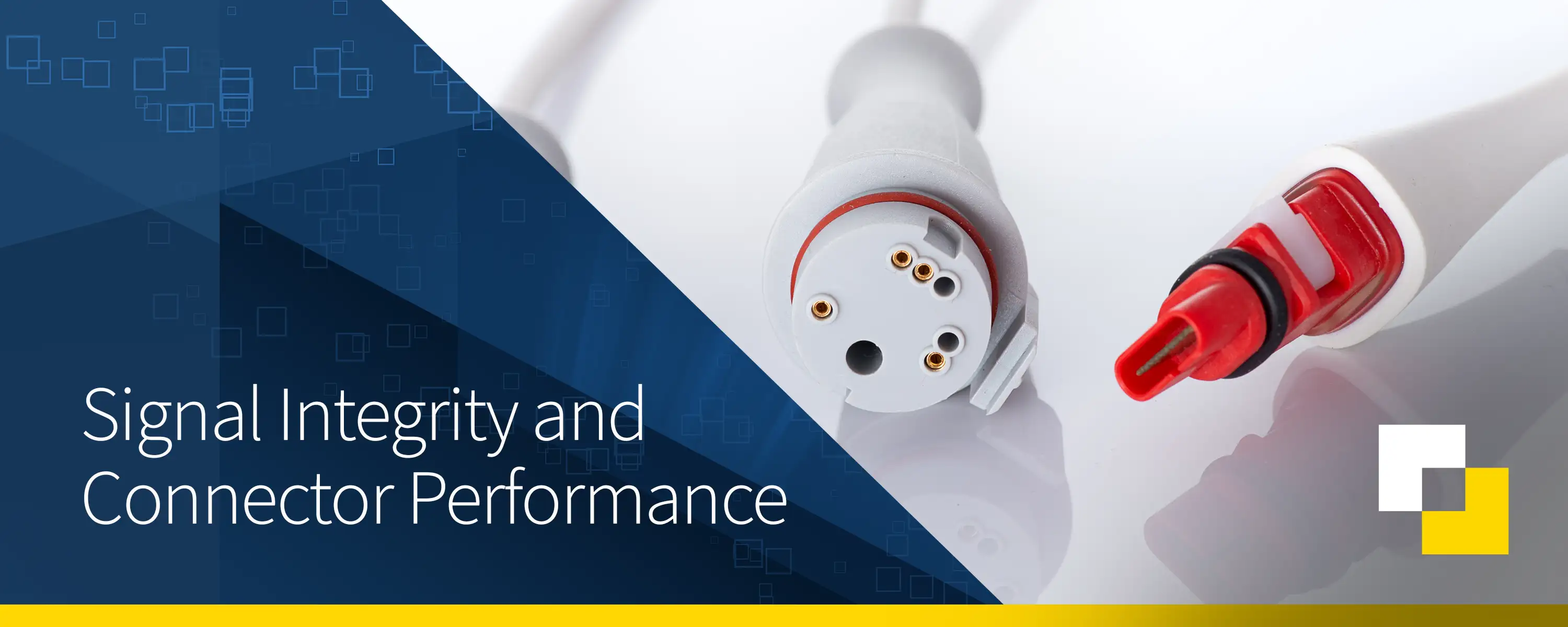
Signal integrity remains critical in modern healthcare technologies.
Medical device interconnect systems must maintain reliable data and power transmission while minimizing:
- Signal degradation
- Electromagnetic interference
- Connectivity failures
- Electrical inconsistencies
Connector design directly influences overall device performance. Factors such as contact density, shielding, miniaturization, and environmental protection all affect reliability.
Paragon Medical’s patented Densyty® Interconnect System supports high-density interconnect solutions designed for next-generation innovative medical devices requiring compact, high-performance connectivity.
OEMs must also evaluate connector geometry, material compatibility, strain relief, and assembly requirements during early development phases to improve manufacturability and long-term performance.
Moving From Prototype To Production
Rapid Prototyping Accelerates Innovation
Rapid prototyping medical devices strategies allow OEMs to validate designs earlier and improve development speed.
Advanced prototyping capabilities support:
- Faster design iterations
- Early feasibility testing
- Functional evaluations
- Reduced development risk
Paragon Medical leverages additive manufacturing medical device technologies and advanced prototyping methods to help customers refine designs before full-scale production begins.
Verification And Validation Remain Essential
Medical device validation testing ensures products perform safely and consistently under real-world conditions.
- Verification and validation activities may include:
- Functional testing
- Fatigue and cycle testing
- Electrical performance testing
- Environmental testing
- Sterilization validation
- Regulatory compliance support
FDA-registered and ISO-certified manufacturing environments help OEMs maintain quality standards throughout development and commercialization.
Planning For Scalable Medical Device Production Early
Scalable medical device production begins during the earliest design stages.
When teams fail to consider scalability early, they often face:
- Production delays
- Supply chain challenges
- Costly redesigns
- Manufacturing bottlenecks
OEMs that integrate manufacturing expertise into development workflows improve commercialization readiness while reducing risk during scale-up.
Challenges In Scaling Medical Device Production
Maintaining Consistent Quality Across Volumes
Tight tolerances become more difficult to maintain as production volumes increase.
Advanced automation, precision inspection systems, and controlled manufacturing environments help manufacturers maintain repeatable quality at scale.
Managing Complex Supply Chains
Medical device production depends on stable supply chains and reliable sourcing strategies.
Vertically integrated manufacturing capabilities and Sales, Inventory, and Operations Planning (SIOP) processes help reduce disruptions and support production continuity.
Regulatory Compliance And Documentation Requirements And Documentation Requirements
Medical device manufacturers must maintain strict documentation, traceability, and validation standards throughout the product lifecycle.
Compliance requirements continue evolving across global markets, making experienced manufacturing partnerships increasingly valuable.
The Role of Advanced Manufacturing Technologies
Automation Improves Efficiency and Repeatability
Automation reduces variability while improving production throughput and consistency.
In advanced electromechanical assemblies, medical device production often relies on automated systems to support precision assembly and scalable manufacturing.
Additive Manufacturing Supports Faster Development
Additive manufacturing technologies support:
- Rapid prototyping
- Faster iteration cycles
- Complex geometries
- Custom component development
These capabilities allow OEMs to accelerate development timelines while improving design flexibility.
Cleanroom Manufacturing Supports Medical Device Quality
Cleanroom assembly and controlled manufacturing environments help protect sensitive medical device components from contamination.
Medical-grade assembly, packaging, and validation support help ensure product quality throughout production and commercialization.

End-To-End Collaboration Reduces Risk
OEMs benefit from partners that support the entire medical device prototype to production process.
Integrated collaboration across:
- Design
- Engineering
- Validation
- Manufacturing
- Assembly
- Commercialization
Faster Time-To-Market
Integrated engineering and manufacturing teams streamline communication, improve decision-making, and accelerate commercialization timelines.
Flexibility To Support Innovation
Medical device companies need manufacturing partners capable of scaling production while maintaining quality, compliance, and performance standards.
Paragon Medical provides:
- Design and development expertise
- Precision engineering capabilities
- Medical device contract manufacturing support
- Advanced silicone molding technologies
- Global manufacturing resources
- Integrated commercialization services
Our teams help OEMs engineer reliable medical device interconnect systems designed for both clinical performance and scalable production success.
Partner With Paragon Medical
Reliable medical device interconnect systems play a critical role in patient safety, device functionality, and commercialization success.
OEMs that prioritize design for manufacturability, precision engineering, validation testing, and scalable production strategies position themselves for long-term success in increasingly competitive healthcare markets.
Paragon Medical partners with medical device innovators to engineer, validate, and manufacture high-performance interconnect systems that support reliable device performance and scalable commercialization.
Contact our team today to learn how we can support your next medical device project.
Frequently Asked Questions
What are medical device interconnect systems?
Medical device interconnect systems include cables, connectors, electromechanical assemblies, and integrated components that enable medical devices to transfer power, communicate data, and function reliably.
Why is design for manufacturability important in medical devices?
Design for manufacturability helps simplify production, reduce variability, improve scalability, and lower manufacturing costs without compromising product performance.
How does additive manufacturing support medical device development?
Additive manufacturing supports rapid prototyping, faster design iterations, complex geometries, and earlier validation during product development.
What challenges arise when scaling medical device production?
Manufacturers often face challenges related to maintaining tight tolerances, supply chain continuity, regulatory compliance, and production consistency during scale-up.
Why are verification and validation critical for medical devices?
Verification and validation testing confirm that medical devices perform safely, reliably, and consistently while meeting regulatory and quality requirements.